garden furniture furniture care tips The Modern Garden Company

How to care for garden furniture

Susan Perry, The Modern Garden Company

~ 2 min read

Over-wintering furniture

By Susan Perry, The Modern Garden Company

Overview:
For the optimal over-wintering of outdoor furniture, the aim is to minimise freeze–thaw damage, prevent capillary moisture entrapment, and maintain coating integrity. Try to complete all sealing and protection before persistent night frosts (typically when overnight temps drop below 5°C for a week). And remember the mantra: 'dry, isolate, and breathe - not wrap, trap, and forget'!
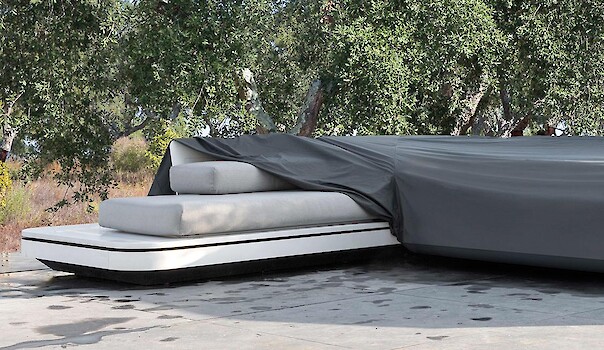
 

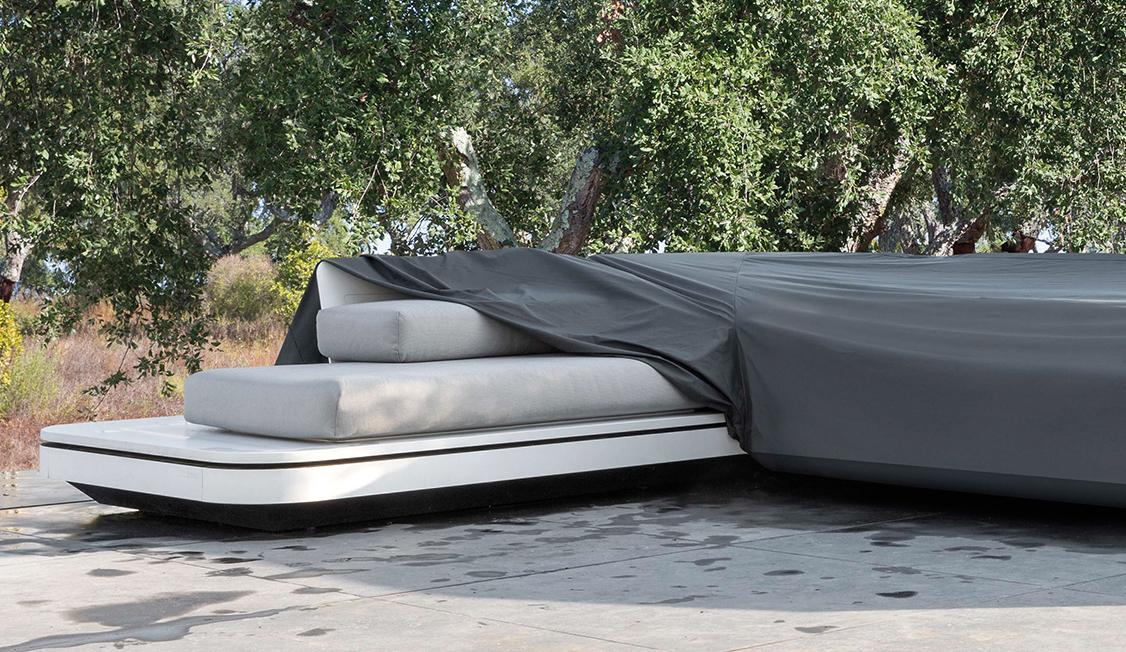
Breathable Covers

Choose breathable, well-fitted covers.

Non-permeable covers or plastic sheeting can trap condensation, leading to mould or corrosion. Only use covers designed for that product. High quality covers should be made from resin-coated polyester, which is fully waterproof, resistant to seawater and UV rays and is treated against fungus, mould and bird excrement.

And finally, allow furniture to dry fully before covering. Moisture trapped under covers can cause mildew, surface stress, and even damage materials like glass or lava stone. Encourage clients to wait for a dry window before covering, or ideally, cover before the bad weather starts, and certainly before the furniture becomes soaked through.

Timber furniture care:

Material-specific technical information / preventative measures to take before freeze–thaw, moisture loading, and low-light degradation set in.
Timber: 

  • Schedule oiling or sealing only after several consecutive dry days. Trapped autumn moisture expands when frozen, causing micro-cracks in hardwoods.
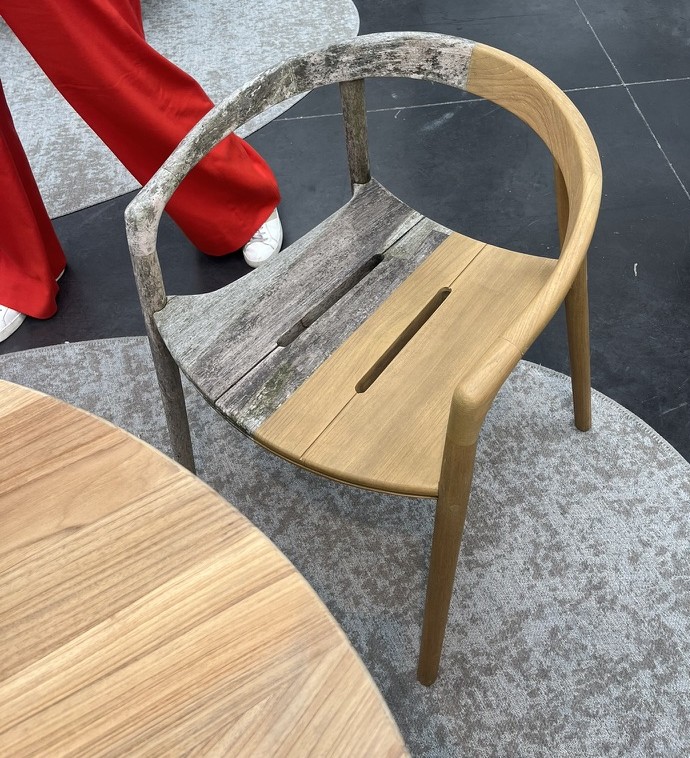
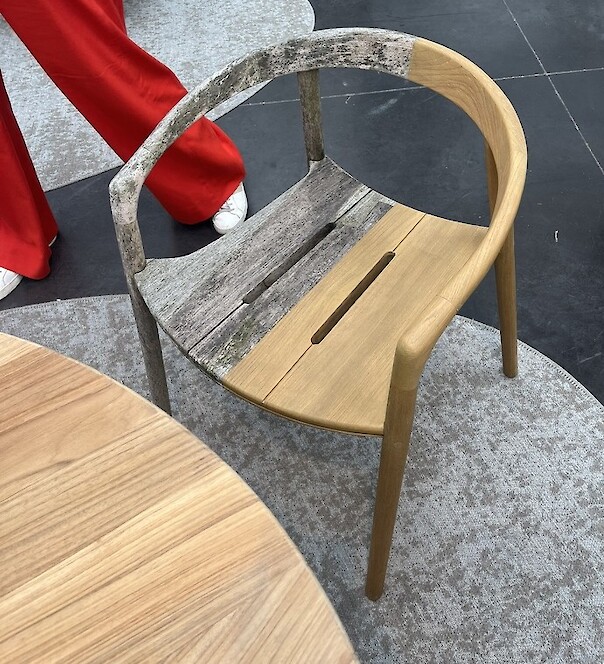
  • High-grade teak contains natural oils that prevent splitting and drying. Even after years outdoors, it can be revived to look like new. One of our Manutti Solid dining chairs was left outdoors, untouched for two years - after a light sanding and treatment with teak protector, it was completely restored (see below). This illustrates the value of specifying true A-grade teak over cheaper alternatives that degrade irreversibly.

Key things to remember:

  • No objects should be left standing on tables or chairs, the wood can't breathe and will turn black.
  • If wooden furniture is stored near a heater or boiler, it may split under extreme heat / dryness.
  • Underside aeration: timber elements should be raised off the ground by 5–10 mm using nylon or rubber spacers to avoid water wicking and to allow air to circulate under furniture. This is particularly important if the piece will be covered later.


  • Ceramic & glass

    • wipe down with soft cloths and neutral soap
    • avoid extreme temperature changes. If the temperature is set to dip below freezing, bring smaller pieces inside, or cover larger pieces with towel/ blanket, to prevent the ceramic or glass from freezing over and then breaking when the temperature heats up again. Constant freezing and heating will cause damage. 


  • Concrete & natural stone 

    • remove debris and seal surfaces to prevent freeze–thaw damage.


  • Weaves, ropes & textiles:

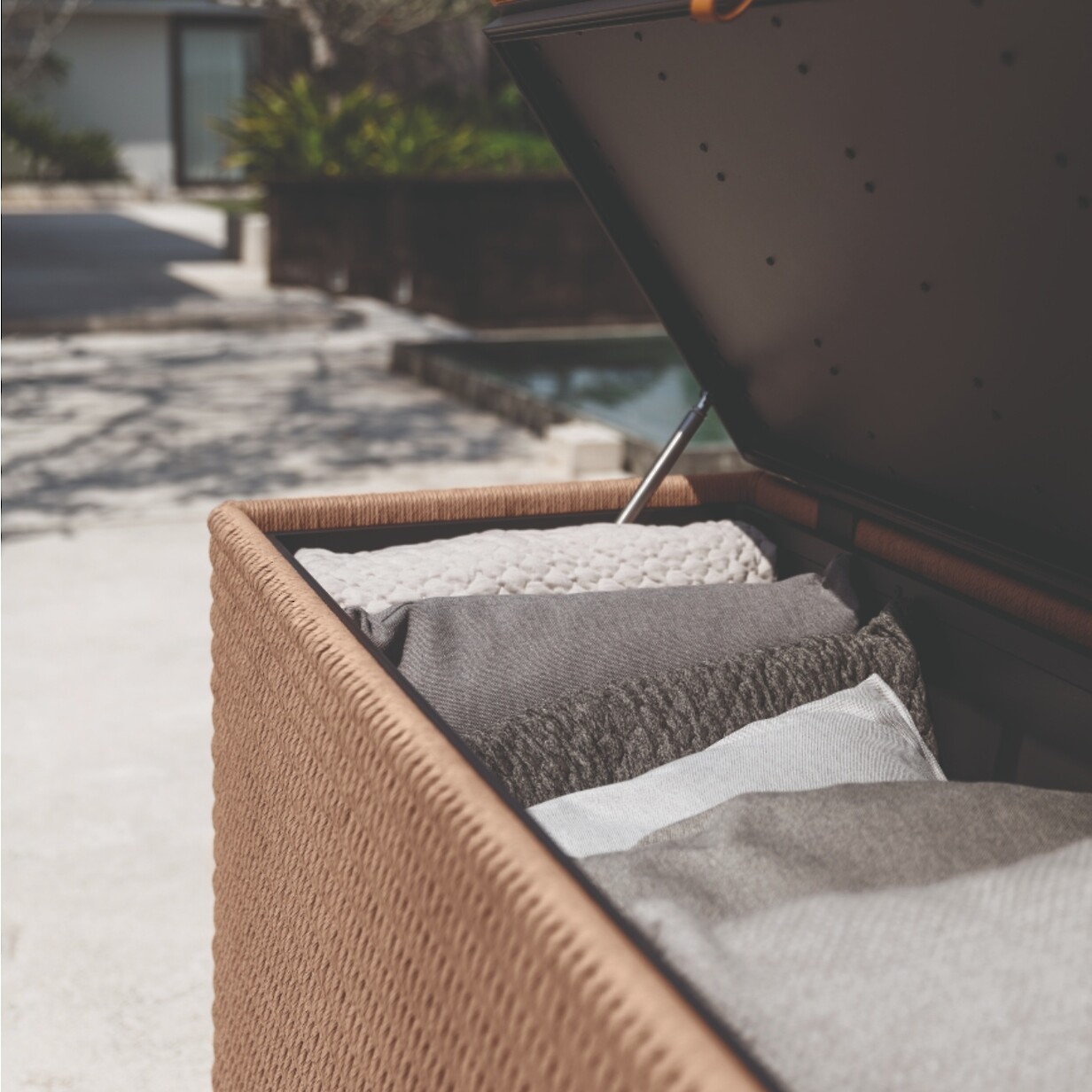
    • rinse, dry completely, and store cushions or removable covers indoors when possible. Alternatively, we suggest cushion storage boxes - an easy solution to store all the cushions in one place until spring!