furniture garden furniture care tips

Choosing the right fabrics to use outdoors

~ 3 min read

Why are fabrics important?

Beautiful, layered fabrics have long been a big part of what makes a house a home, but as winter passes and we long to spend more time living outdoors, adding fabric and upholstered elements to garden seating areas can make them more inviting, and even more usable all year round.

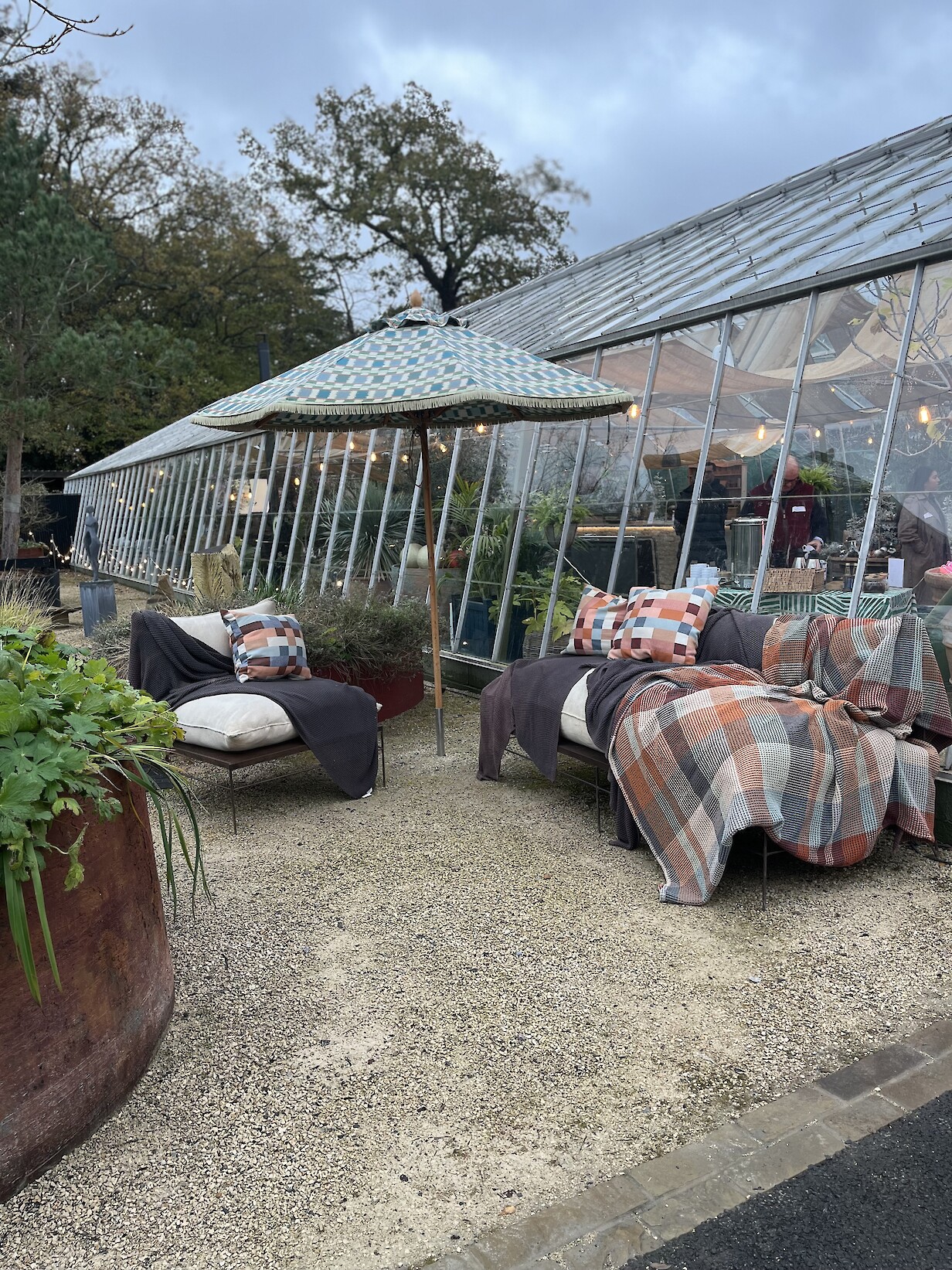
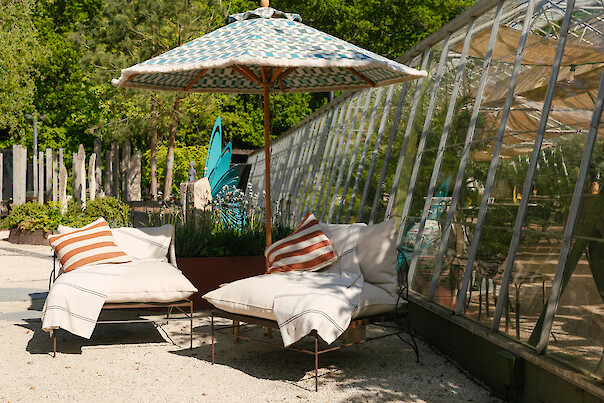
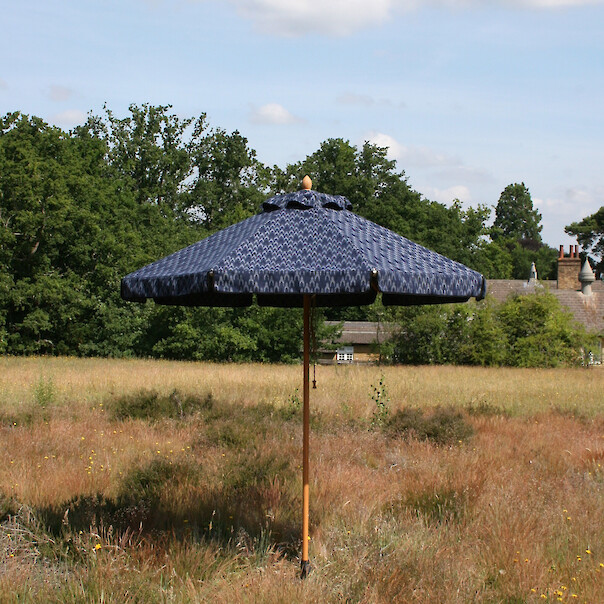
Whether you’re looking at seat pads to make outdoor dining chairs more comfortable, mattresses to make pool loungers irresistible, or parasols to allow for languid lunches on a scorching day, choosing the right fabrics will ensure these investments stay looking enticing, year after year.
Fabric types

When it comes to durability for outdoor use, there are three main categories of fabrics to know about:

  1. Solution-dyed fabrics
  2. Outdoor or performance fabrics
  3. Natural fibres

Solution-dyed fabrics

Solution-dyed acrylic and solution-dyed polyester are the longest lasting, most fade-resistant fabric options for outdoor use. These are the creme de la creme of fabrics for garden furniture and many are guaranteed against fading for at least 5 years.

These fabrics are created by adding colour pigments to a polymer solution, before the fibre is even formed. This means that the colour is fully impregnated to the core of the yarn and is therefore extremely colourfast.

Solution-dyed fabrics are designed for outdoor use and so as well as having very long lasting colourfast properties, they are also water-resistant, stain-resistant, mildew and mould-resistant, and bleach-cleanable, whilst being breathable and resistant to UV degradation.

If the words polymer, acrylic and polyester make you think of plastic, shiny tent fabric, worry not. At the luxury-end of the market, solution-dyed fabrics are beautifully designed, soft, upholstery fabrics, with the appearance of heavy linens or woven wool.

Outdoor or Performance fabrics

The second category of fabrics designed for garden use are categorised as ‘outdoor’ or ‘performance’ fabrics. You’ll find many different style options in this category, typically made with man-made fibres (acrylic, polyester, or nylon) and whilst slightly less colourfast than solution-dyed fabrics, they still offer stain-resistance, mildew-resistance and very good fade resistance.

Natural Fibres

Your final option is to opt for a natural cotton or linen. You’ll just have to factor in a little extra care if using natural fabrics for outdoor furnishings.

Keeping your garden cushions dry (to avoid mildew), and stored inside when not in use (to reduce sun-fading) will help a lot. These fabrics are not intended for long-term outdoor use and will be much more delicate than performance fabrics. Do also remember that UV rays from the sun don’t just fade fabric over time, they also degrade the material and make it more prone to tearing. In the case of garden parasols this can be mitigated with the addition of acrylic lining at the corners and stress points.

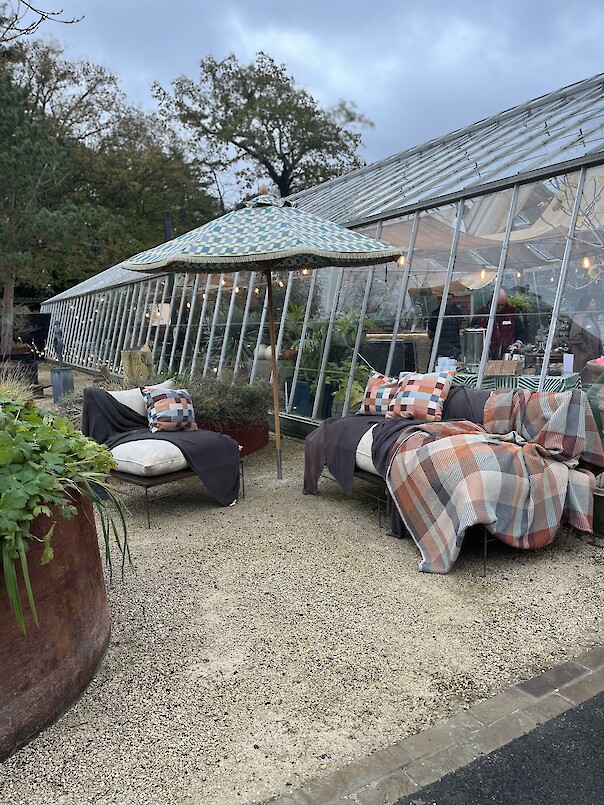
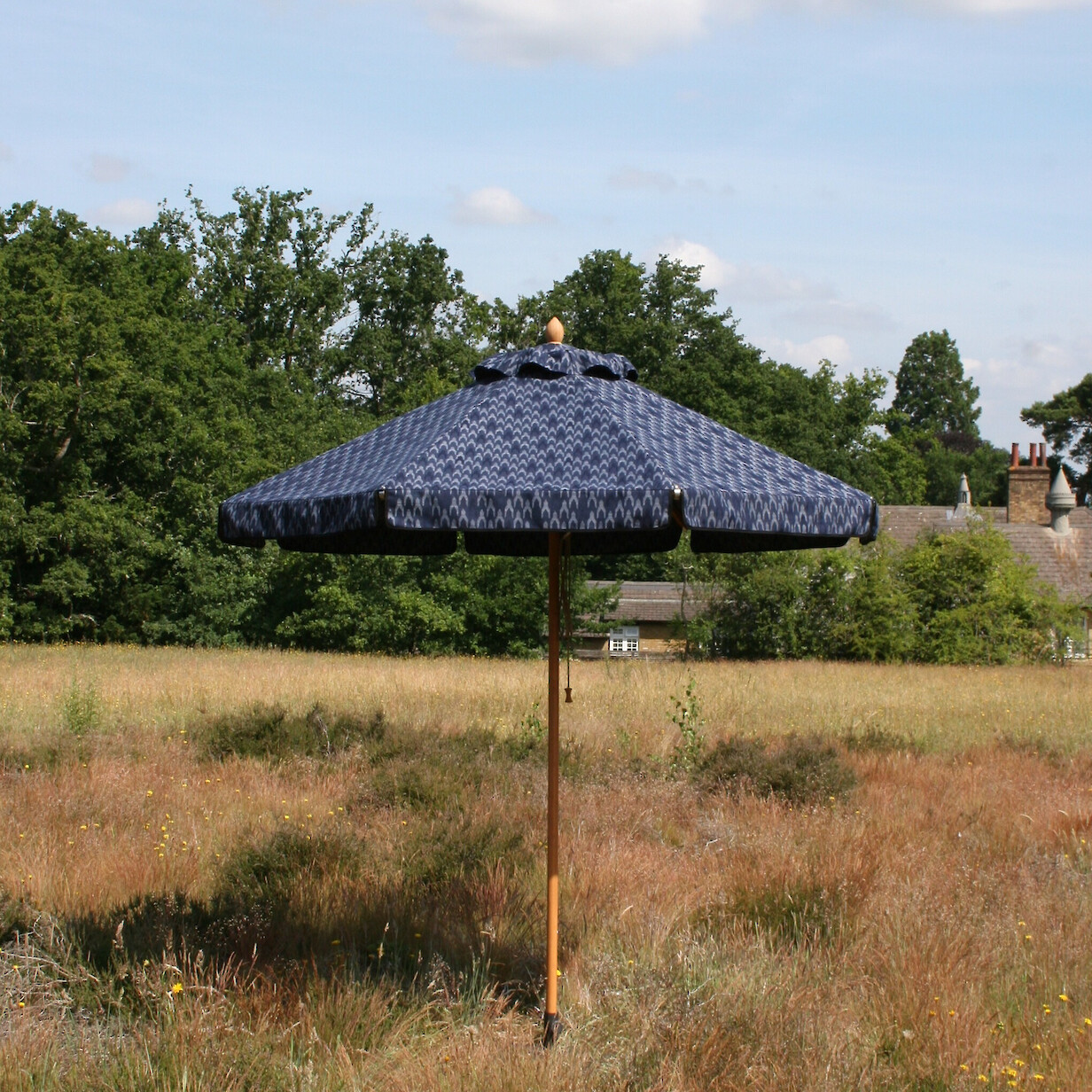
If you’re looking to add a parasol to your garden, Glasshouse member Plia Parasols can advise you on fabrics options that are fit to use outdoors and fit your personal style.

Book an appointment